 how-to
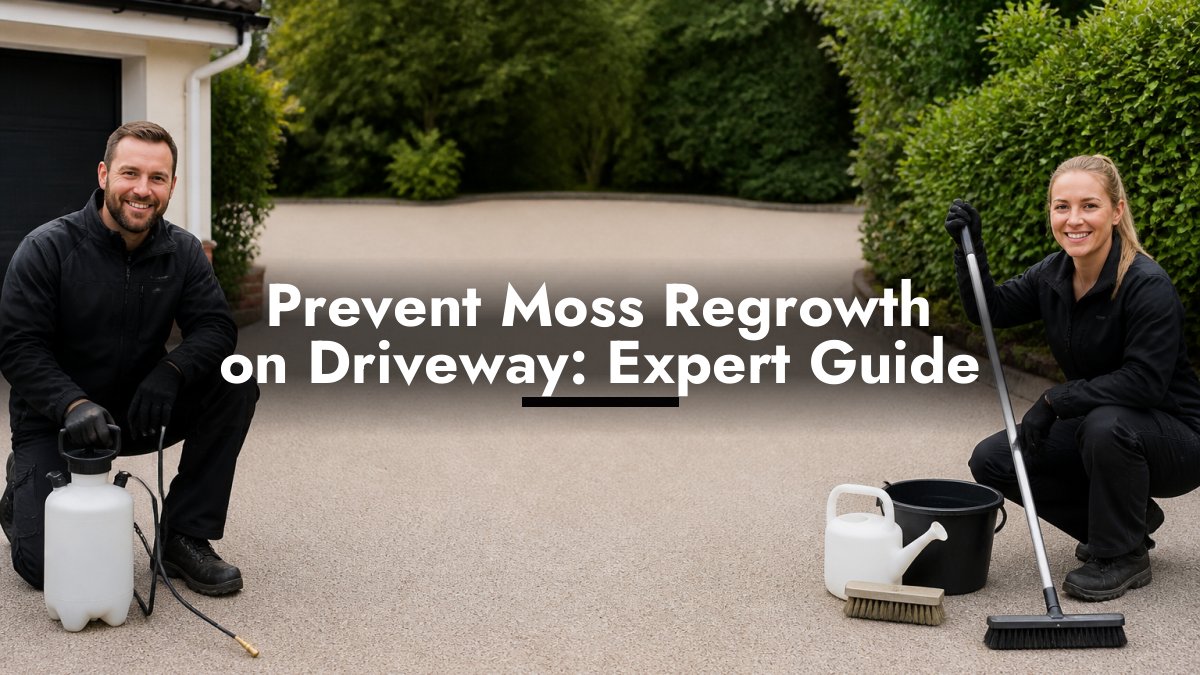
Prevent Moss Regrowth on Driveway: Expert Guide
Table of Contents
- Why Moss Keeps Coming Back to Your Driveway
- Soft Washing vs Pressure Washing Driveways: Which Stops Moss Returning
- Step 1: Choose the Right Cleaning Method for Your Surface
- Step 2: How to Remove Moss from Block Paving Safely
- Step 3: Apply a Moss Prevention Treatment
- Step 4: Seal Your Driveway to Lock Out Moisture
- Step 5: Maintain Your Driveway Year-Round
- Common Mistakes That Allow Moss to Return
- Conclusion
- Frequently Asked Questions
Last Updated: 2 October 2026
Why Moss Keeps Coming Back to Your Driveway
Moss doesn't just appear on your driveway by accident. It thrives in damp, shaded conditions that are common across Bolton and the North West. Once it takes hold, it keeps returning because the underlying conditions haven't changed.
The real problem is moisture. Moss feeds on water trapped in porous surfaces. If your driveway stays wet or damp for extended periods, moss spores will germinate. Even after you clean it away, the same environment invites regrowth within weeks.
Most homeowners clean their driveways once, see the moss return, and assume they're fighting a losing battle. The truth is simpler: you're treating the symptom, not the cause. Without addressing the moisture underneath, moss will always come back.
Shaded areas are particularly vulnerable. If your driveway sits beneath trees or receives limited sunlight, moss loves it. Algae and lichen thrive in the same damp environment, so you may notice multiple types of growth competing for space.
The good news is straightforward. You can prevent moss regrowth on driveway surfaces by combining the right cleaning method with protective treatments. This guide walks you through exactly how.
Soft Washing vs Pressure Washing Driveways: Which Stops Moss Returning
The method you choose determines whether moss prevention actually works. This is where most DIY attempts fail.
Pressure washing uses high-force water jets to blast moss away. It works fast and looks impressive. But it damages porous surfaces like block paving and concrete. The pressure forces water deeper into the material, creating the exact damp environment moss loves. You've essentially watered your driveway and invited the moss back.
Soft washing applies low-pressure water mixed with biodegradable cleaning solutions. The chemical does the work, not the force. Soft washing kills moss at the root, removes spores, and doesn't drive moisture into the surface. This is why it's the better choice for preventing regrowth.
Treatment-led cleaning goes further. It combines soft washing with moss-preventative treatments applied after cleaning. These treatments make your surface hostile to moss growth for months.
For block paving and permeable surfaces, soft washing is essential. Pressure washing will damage the joints and accelerate moss return. For concrete, soft washing still outperforms pressure washing because it addresses the moisture problem rather than amplifying it.
The difference shows up within weeks. Pressure-washed driveways often see moss return faster than untreated ones. Soft-washed driveways with treatment stay clean for months.
UK guidance on safe surface cleaning practices
Step 1: Choose the Right Cleaning Method for Your Surface
Not all driveways are the same. Your surface type determines which method will actually prevent moss regrowth on driveway areas.
Concrete and tarmac driveways
Concrete is porous and absorbs water easily. Tarmac is even more vulnerable, high pressure can tear the binding apart.
For both, soft washing is the right choice. Use a low-pressure system with a biodegradable moss killer. The solution penetrates the surface, kills moss at the roots, and breaks down naturally without leaving residue.
Avoid pressure washing above 100 bar on concrete and below 80 bar on tarmac. Even then, you're risking damage.
Hot water soft washing works particularly well on concrete. The warmth helps the cleaning solution activate faster whilst the low pressure prevents damage.
Block paving and permeable surfaces
Block paving has joints between each unit. Pressure washing blasts out the sand and soil that lock the blocks in place. Once the joints are compromised, your driveway becomes unstable and moss returns faster because water pools in the gaps.
Soft washing preserves the joints whilst cleaning the surface. The cleaning solution kills moss on the block faces without disturbing the structure underneath.
Permeable driveways (gravel, recycled materials, or specialist surfaces) need gentle treatment. Pressure washing destroys the permeability that makes these surfaces valuable. Soft washing maintains the drainage whilst removing moss.
For permeable surfaces, a treatment-led approach is worth the investment. The preventative coating keeps moss from establishing in the first place.
Step 2: How to Remove Moss from Block Paving Safely
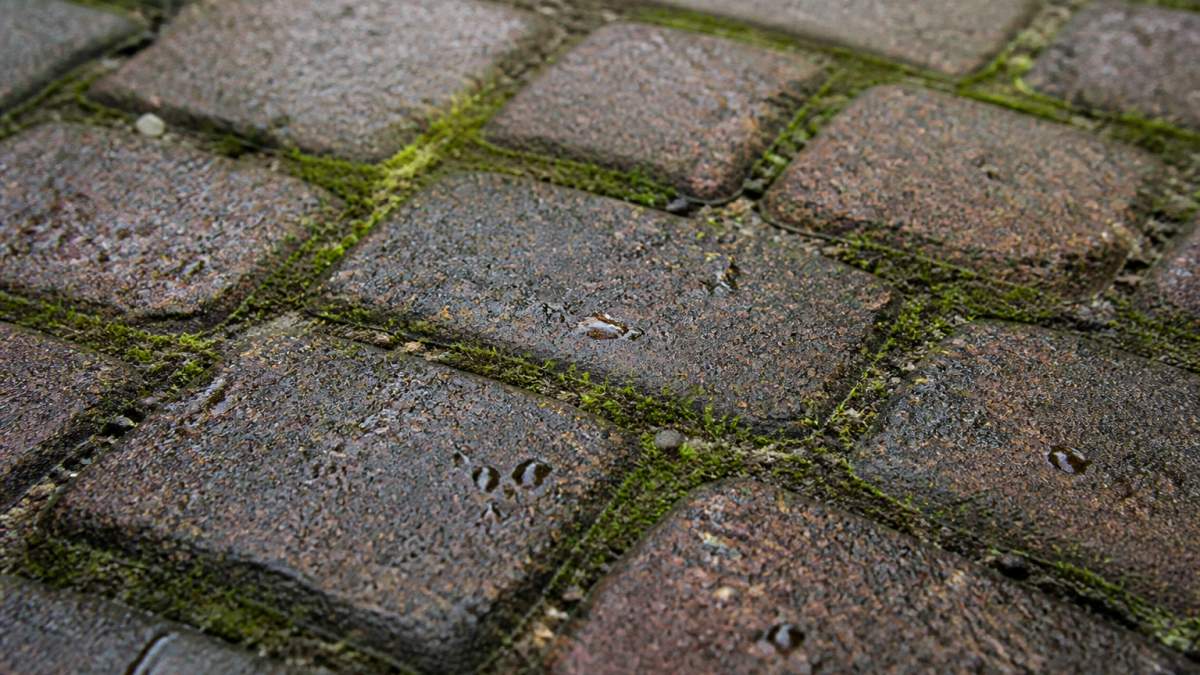
Removing moss from block paving requires precision. One wrong move and you've loosened the blocks or washed out the jointing sand.
Start with a pre-treatment spray. Apply a biodegradable moss killer 24 hours before cleaning. Let it soak in and kill the moss at the root. This reduces the cleaning workload and means you need less pressure to remove the dead growth.
Use soft washing equipment. A low-pressure system (20-30 bar) with a wide spray pattern works best. Keep the nozzle at least 30 centimetres from the surface. Move steadily across the paving to ensure even coverage.
Work in sections. Clean one metre squared at a time. This gives you control and prevents pooling water from spreading dirty runoff across cleaned areas.
Rinse thoroughly. After the cleaning solution has done its work, rinse with clean water at low pressure. Remove all traces of the cleaning agent. Leftover residue can make the surface slippery and may interfere with preventative treatments applied later.
Let it dry completely. Wait 48 hours before applying any sealant or preventative treatment. Moisture trapped under a sealant will cause problems.
Block paving is forgiving if you use the right method. The joints stay intact, the blocks stay level, and the surface looks restored without damage.
Step 3: Apply a Moss Prevention Treatment
Once your driveway is clean and dry, a preventative treatment stops moss returning.
These treatments work in two ways. Some create a protective barrier that moss spores cannot penetrate. Others alter the surface chemistry to make conditions hostile to moss growth.
Biodegradable moss preventers are the most common. They're safe for plants, pets, and drainage systems. Apply them according to the product instructions, usually a thin, even coat across the entire surface.
Copper-based treatments are highly effective. Copper ions inhibit moss growth for 12-18 months. They're particularly good for shaded areas where moss pressure is high.
Zinc-rich coatings offer similar protection. They're durable and work well on both concrete and block paving.
The key is application timing. Treat the surface when it's clean and dry, ideally in dry weather. If rain falls within 24 hours, the treatment may wash off before it sets.
Reapply preventative treatments annually, or every 18 months if you use a copper-based option.
Step 4: Seal Your Driveway to Lock Out Moisture
Sealing addresses the root cause: moisture retention.
A good sealant fills the pores in your surface and creates a water-resistant layer. Water runs off instead of soaking in. Without moisture, moss cannot establish.
For concrete driveways, use a penetrating sealer. It soaks into the surface without changing the appearance. Reapply every 2-3 years.
For block paving, choose a breathable sealant. It repels water from above whilst allowing trapped moisture to escape from below. This prevents damage from freeze-thaw cycles.
For tarmac, use a specialist tarmac sealant. It restores colour, protects against UV damage, and reduces water absorption.
Apply sealant in dry conditions. Most products require 48 hours to cure before exposure to water. Plan your sealing work for a dry spell in the forecast.
A sealed driveway is harder for moss to colonise. Combined with preventative treatment, sealing gives you months of moss-free surfaces.
Step 5: Maintain Your Driveway Year-Round
Maintenance prevents problems from developing in the first place.
Clear debris regularly. Leaves, twigs, and dirt trap moisture and create ideal conditions for moss. Sweep your driveway weekly, especially in autumn.
Improve drainage. If water pools on your driveway, moss will follow. Check that gutters and downpipes aren't directing water onto the surface. Grade the driveway slightly so water runs off rather than settling.
Trim overhanging branches. Shade and dripping water from trees are moss magnets. Pruning improves air circulation and reduces moisture.
Inspect for damage. Cracks and potholes trap water and harbour moss. Fill small cracks promptly. Larger damage needs professional repair.
Plan seasonal cleaning. A light clean in spring removes winter growth. A thorough clean in autumn prevents moss establishing over winter.
Maintenance costs very little and saves you from expensive cleaning later. A quick weekly sweep and annual professional clean can help keep a driveway moss-free.
Common Mistakes That Allow Moss to Return
Understanding what goes wrong helps you avoid the same traps.
Using pressure washing as the primary method. It looks effective immediately. Moss blasts away in seconds. But you've driven water into the surface and set up perfect conditions for regrowth. Within 4-6 weeks, moss returns thicker than before.
Cleaning without follow-up treatment. A clean driveway is still vulnerable if the conditions that allowed moss to grow haven't changed. Without preventative treatment or sealing, regrowth is inevitable.
Skipping the drying step. Applying sealant to damp surfaces traps moisture underneath. This causes the sealant to fail and actually accelerates moss growth.
Ignoring drainage problems. If water pools or runs off gutters onto your driveway, no treatment will keep moss away permanently. Fix the drainage first.
Choosing the wrong sealant. A breathable sealant on concrete can trap moisture. A non-breathable sealant on block paving prevents water escape and causes damage. Match the product to your surface type.
Waiting too long between treatments. Preventative treatments wear off over time. Reapply annually for consistent protection.
Assuming one clean lasts forever. Moss prevention is ongoing maintenance, not a one-time fix. Plan for regular cleaning and treatment as part of property care.
These mistakes are easy to make if you're treating the problem alone. Professional cleaning services understand these nuances and apply the right approach from the start.
Conclusion
Preventing moss regrowth on driveway surfaces is achievable when you address both the cleaning method and the underlying moisture problem. Soft washing removes moss safely without driving water deeper into the surface. Preventative treatments and sealing create conditions where moss cannot establish.
Regular maintenance, weekly sweeping, annual professional cleaning, and reapplied treatments, keeps your driveway moss-free year-round. The investment in proper method and maintenance can be more effective than repeatedly cleaning a driveway that keeps regrowth returning.
If you're dealing with persistent moss or want a professional assessment of your driveway's drainage and condition, Refresh Revive Exterior Cleaning offers a free no-obligation quotation. We use controlled soft washing and surface-specific treatments to prevent regrowth, protecting your property and its surroundings. Send photographs of your driveway to discuss the best approach, or request a quote to get started with a professional clean that actually prevents moss returning.
Frequently Asked Questions
What is the best way to prevent moss regrowth on a driveway?
The most effective approach combines three steps: professional cleaning using soft washing or treatment-led methods suited to your surface type, application of a moss prevention product immediately after cleaning, and regular sealing to reduce moisture retention. Moss thrives in damp, shaded conditions, so preventing regrowth means addressing both the existing spores and the environment that encourages new growth. Most homeowners see best results when they repeat this cycle annually, particularly in autumn when moss spores are most active.
Does sealing a driveway prevent moss growth?
Sealing significantly reduces moss regrowth by creating a protective barrier that minimises water absorption into the surface. Moss requires moisture to establish itself, so a properly sealed driveway stays drier and less hospitable to spores. However, sealing alone is not a complete solution, you must first remove existing moss and apply a prevention treatment. The seal then maintains the results by reducing the damp conditions moss needs. Resealing every 2-3 years keeps the protection effective.
How often should I clean my driveway to prevent moss?
Most driveways benefit from professional cleaning once per year, ideally in spring or early autumn. If your property is heavily shaded or in a particularly damp area, twice-yearly cleaning may be worthwhile. Between professional visits, remove loose debris regularly and treat any new moss spots promptly with a moss killer. Early intervention prevents moss from establishing deep root systems, making regrowth much slower and easier to manage long-term.
Is pressure washing or soft washing better for stopping moss regrowth?
Soft washing is effective for long-term moss prevention because it uses lower pressure combined with specialist treatments that kill moss spores at the root, not just strip them from the surface. High-pressure washing may damage the surface and leave behind spores that quickly regrow. Soft washing also preserves the integrity of block paving and concrete, preventing the micro-damage that creates new areas for moss to establish. For best results, follow soft washing with a sealer and prevention treatment.
| Cleaning Method | Best For | Prevents Regrowth |
|---|---|---|
| Pressure washing | Quick removal only | No, drives moisture deeper |
| Soft washing | All surfaces safely | Yes, kills spores at root |
| Soft washing + treatment | Long-term prevention | Yes, 12+ months protection |
| Soft washing + sealing | Maximum protection | Yes, addresses moisture cause |